Three Omnis in a Triangle
Originally introduced by the record label Decca, the "tree" consists of a three-point pick-up by omnidirectional microphones in a (often equilateral) triangle pointing at the sound source.
The two outside microphones are so far apart that a "hole in the middle" will occur without adding the centre mic. The centre mic should be mixed in to fill up this hole, taking care not to make the sound perspective too mono. Outer distances are seen from 60 cm to 120 cm. The third, in the centre, can be slightly lower than and in front of the outside pair.
Depending on the acoustic variables of the hall where the ensemble or orchestra is being recorded, the tree can be raised or lowered to achieve the best result. This is a very successful placement style as it ensures a natural, seamless sound stage for the listeners, and allows them to experience the full dynamic performance in context.
Often, the Tree is placed right behind or over the conductor which results in a sound balance very close to their intention. The three microphones furthermore come closer to the orchestra sections than AB setups, providing even more clarity and sharper imaging - a more intense and detailed reproduction.
With the
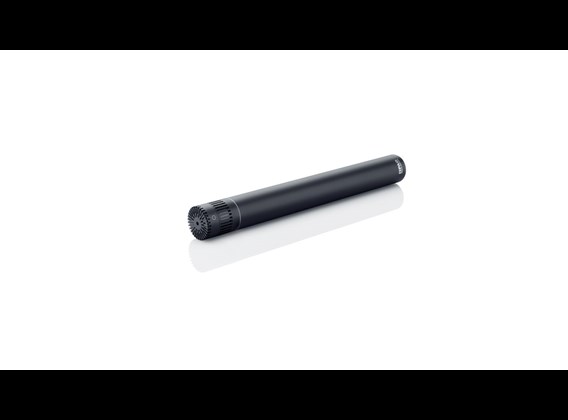
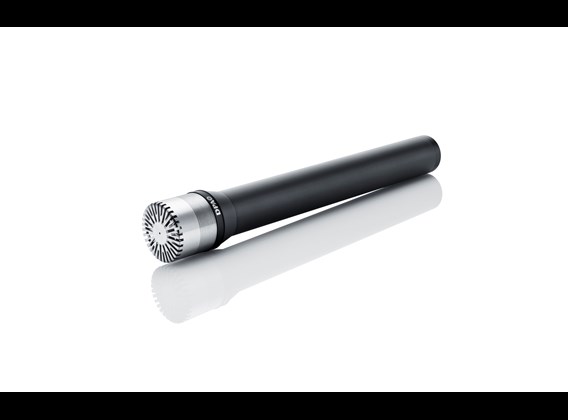
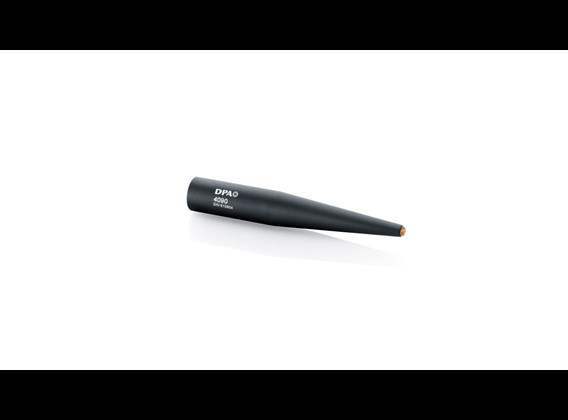
DPA APEs (Acoustic Pressure Equalizers) you are able to modify the frequency response of a 4006 microphone. This is done without adding any noise or distortion from EQs because the lift is done acoustically at the diaphragm.
The
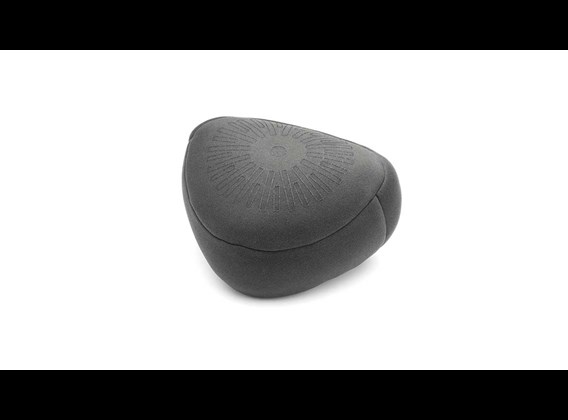
APE40RS sphere will introduce a presence boost and more directionality at higher frequencies, which in sound color is identical to the legendary microphone types originally used by Decca, only with a much higher degree of naturalness offered by a DPA microphone.
Sound samples
Click to download sound clips in MP3 or WAV. For notes on the setting and recording, please see the page Stereo Recordings - Setting and Samples.
Suggested microphones
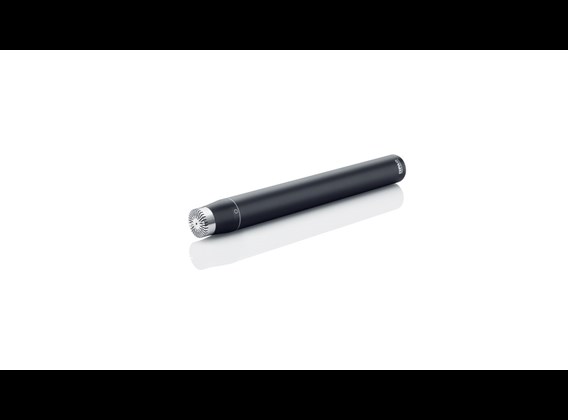
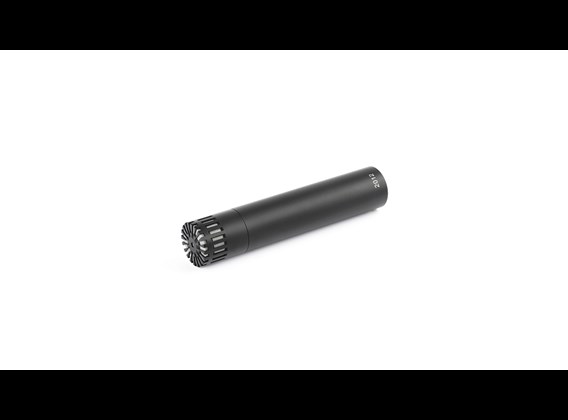
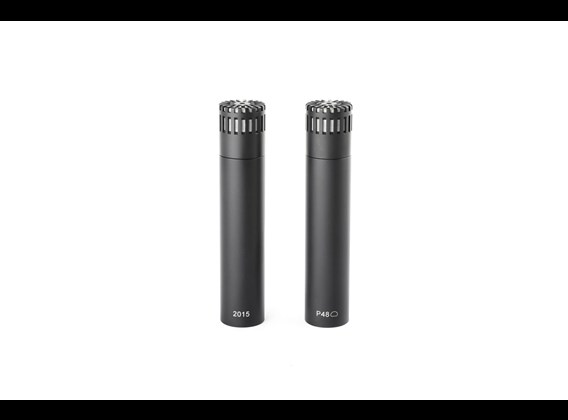
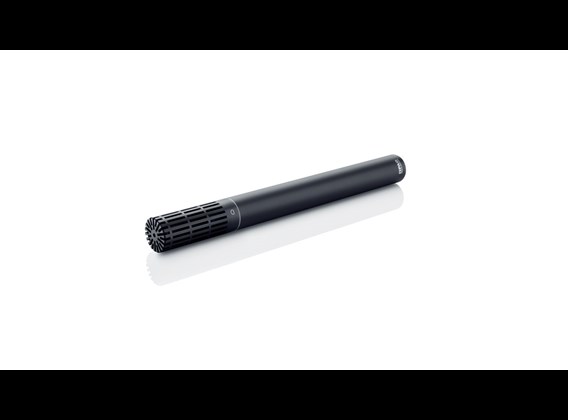
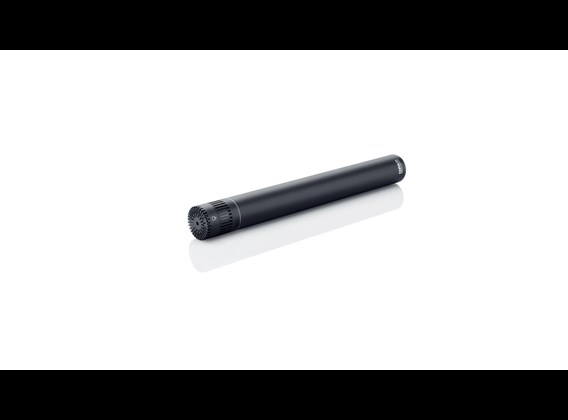
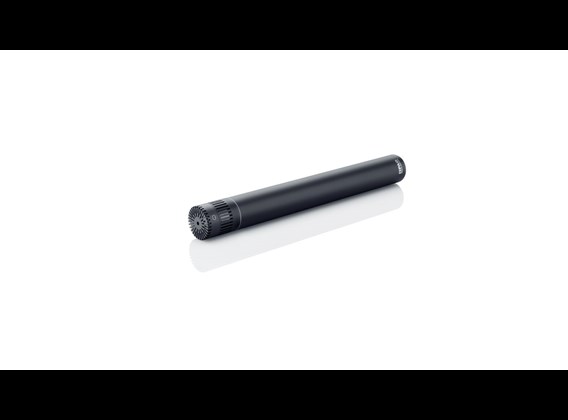
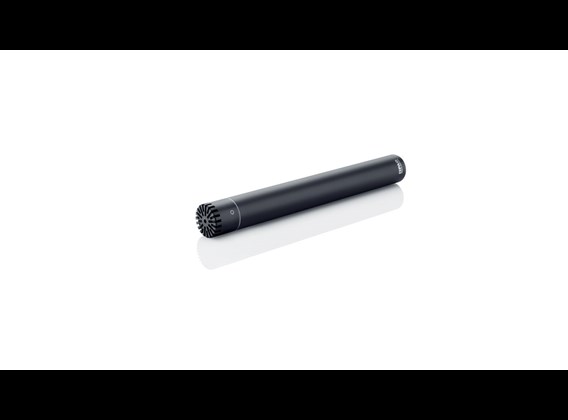
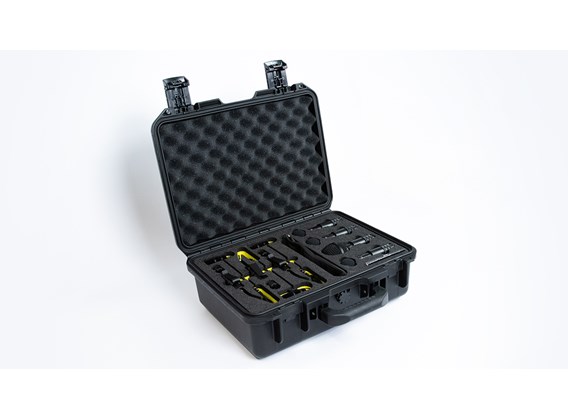
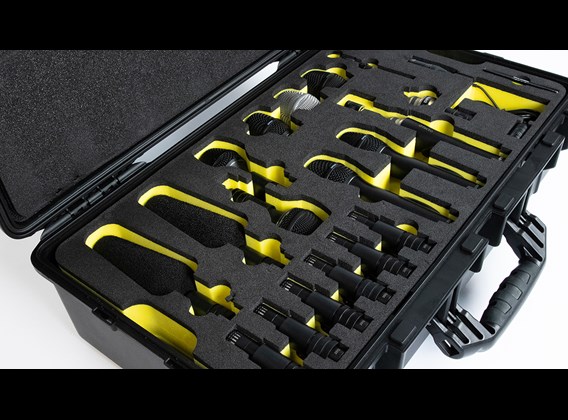
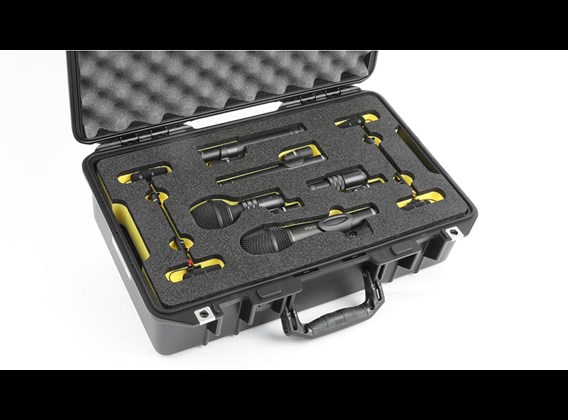
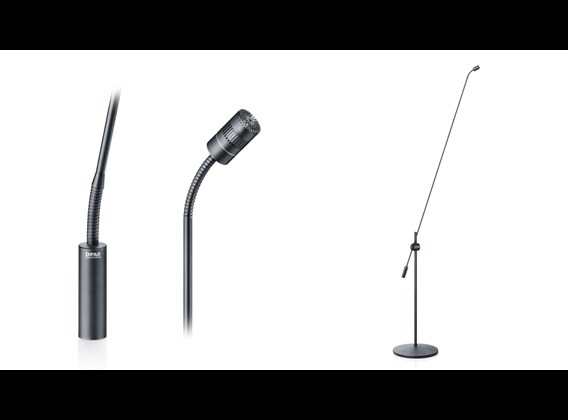
If you want to try this setup with DPA mics, we suggest: