DPA MICROPHONES

Miking a bassoon

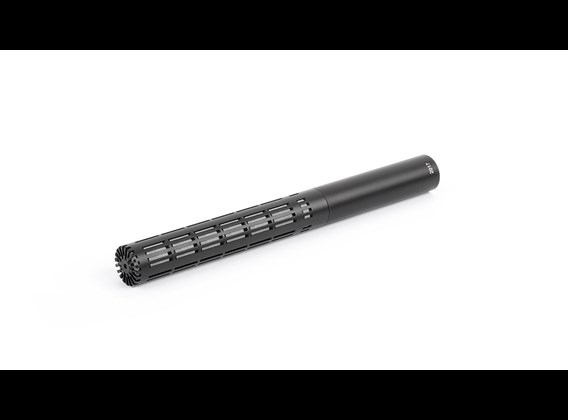
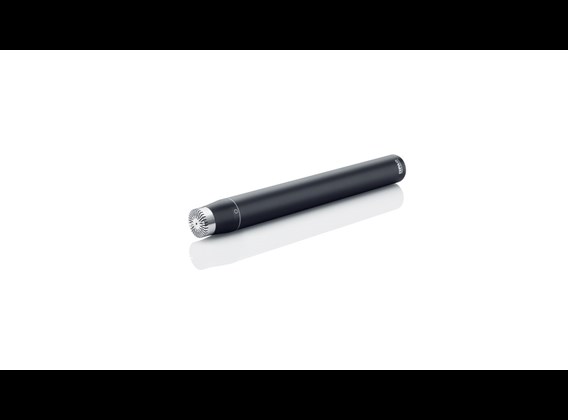
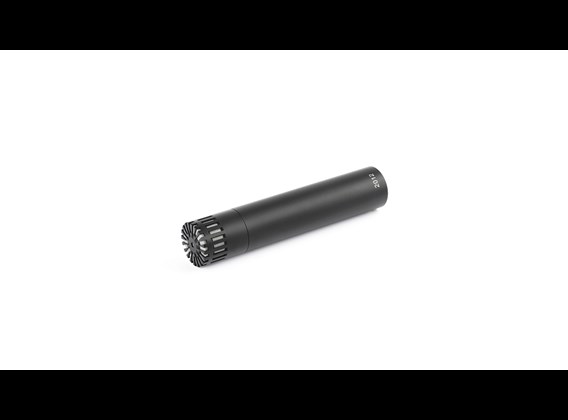
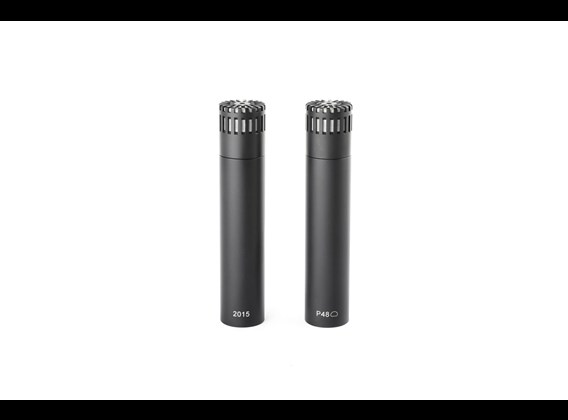
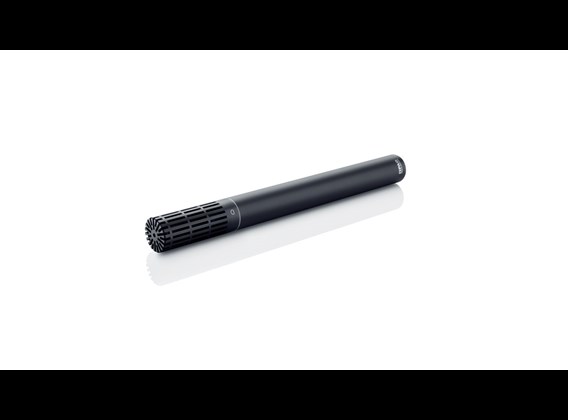
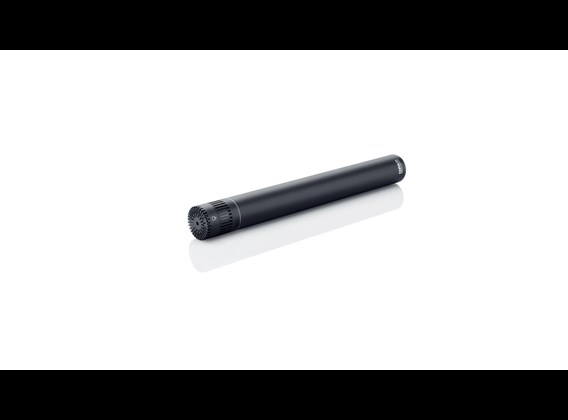
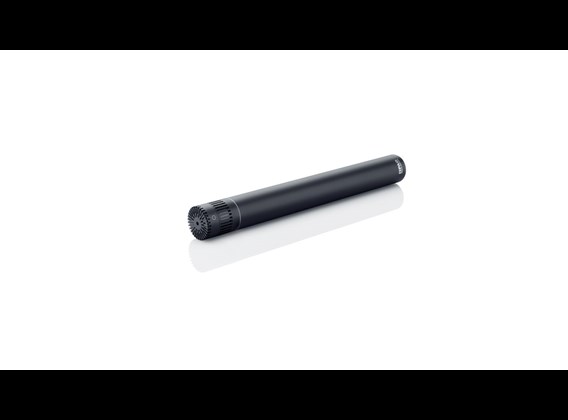
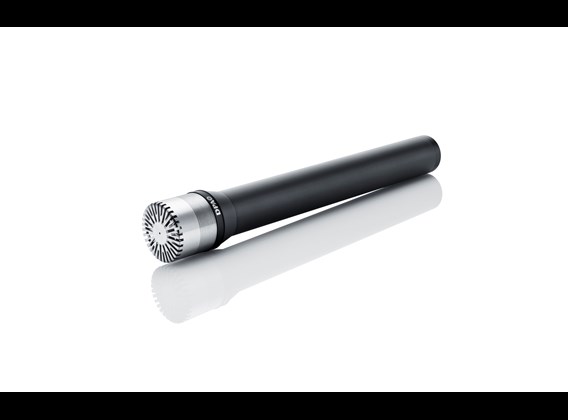
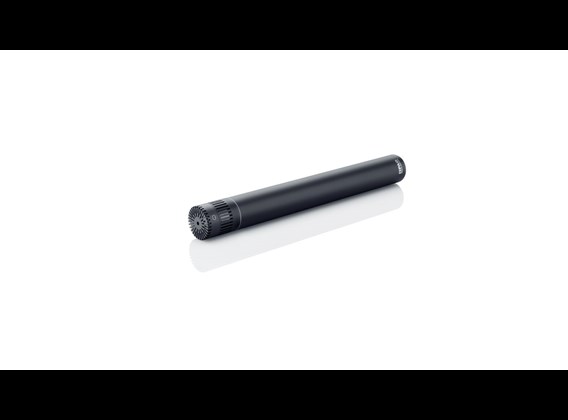
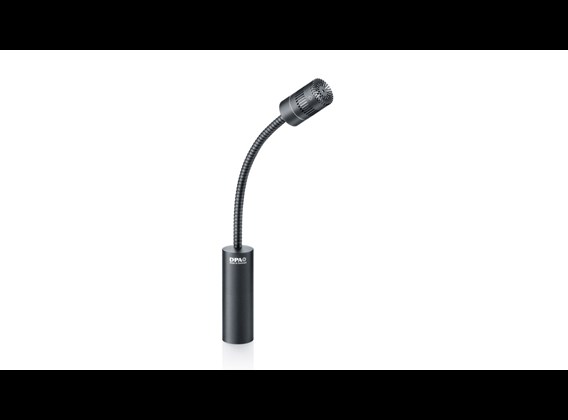
Direct miking of the bassoon is very similar to that of the soprano saxophone, clarinet and oboe, e.g. aiming at the fingering holes, 1/3 of the length up from the bell at a distance of 15-20 cm. Use an omnidirectional mic such as 4006A or a compact omni when possible. If leakage is unwanted or you want less of the room to blend in, a cardioid 4011A or wide cardioid 4015A could be used instead. Its compact cousin 4015C takes up less space, which can be convenient.

Too often, in our opinion, engineers use cardioids where omnis would simply provide a better overall sound. If you are in a multitrack orchestral situation and the orchestra has two flutes, two oboes, two bassoons, and two clarinets; an off-axis omni microphone technique will work very well.
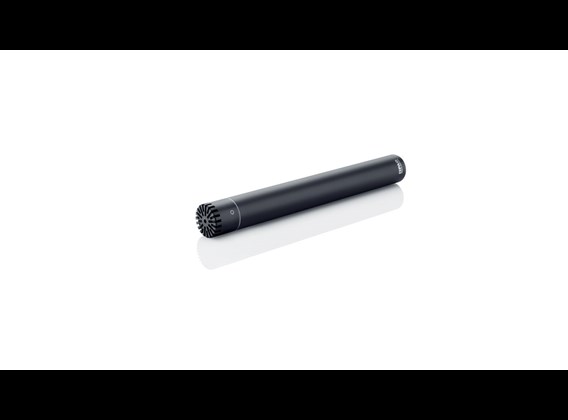
Place the microphone between the two instruments, at about head height, and pointing straight down at the floor, which should not be carpeted. This technique will eliminate "keyboarding" and the bizarre polar patterns of these instruments will find their way into the microphone.

When mixed in to the rest of the orchestra it will not demonstrate that "too close" sound that should not be in this type of recording. Woodwinds are never in the front of an orchestra. With this technique you can place the woodwind section into the mix with pan pots and faders to the position that they physically occupy.