In the late 70s, respected sound engineer Simon Honywill’s early career as a fledgling rock star required some financial assistance. A chance visit to a South London job centre found him clutching a card reading “Wanted, rigger/driver for South London sound equipment rental company”. That company turned out to be R G Jones, a proving ground for young audio industry initiates; the rest as they say is history.
Since then a combination of luck, fate and determination has taken Honywill on a journey engineering everything from live rock and TV broadcasts to classical music. He is well respected as a FOH engineer, in particularly for his efforts to develop and improve outdoor classical concerts at London’s Kenwood, his work with the Royal Philharmonic Orchestra and his FOH engineering on Classical Spectacular at the Royal Albert Hall. Today he amalgamates his live career with a desire to educate enthusiastic sound engineers of tomorrow by teaching at Deep Blue Sound in Plymouth.
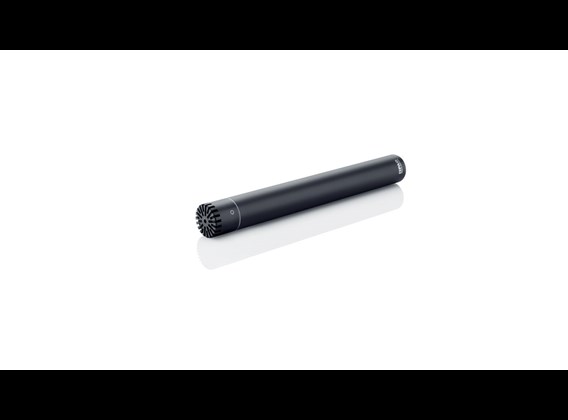
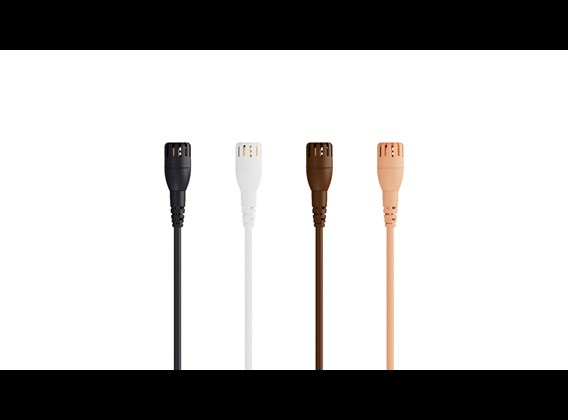
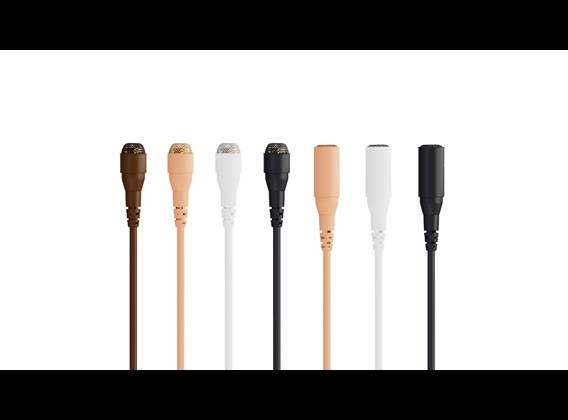
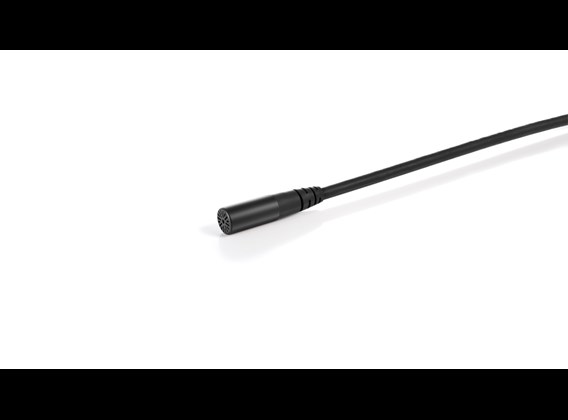
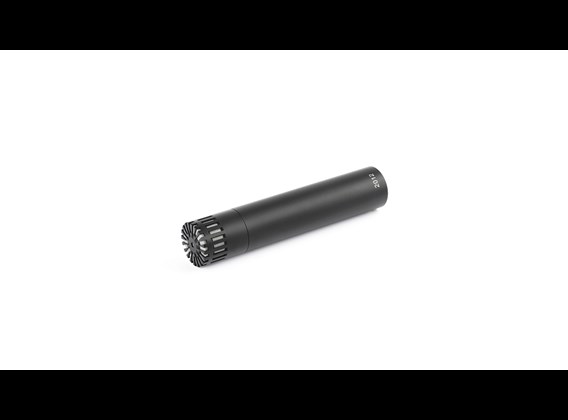
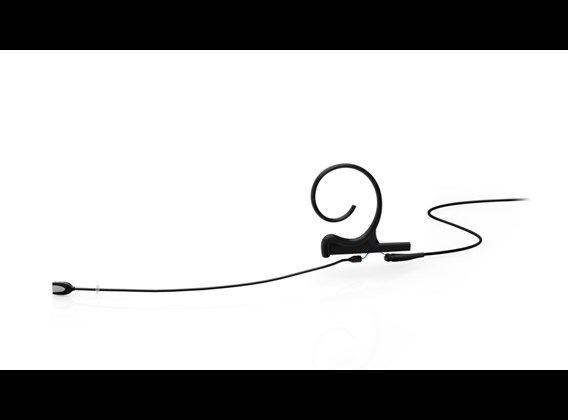
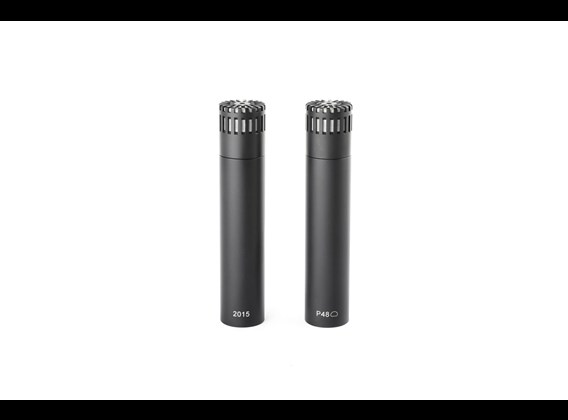
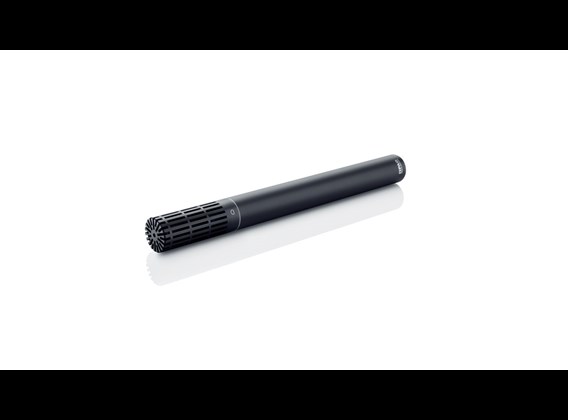
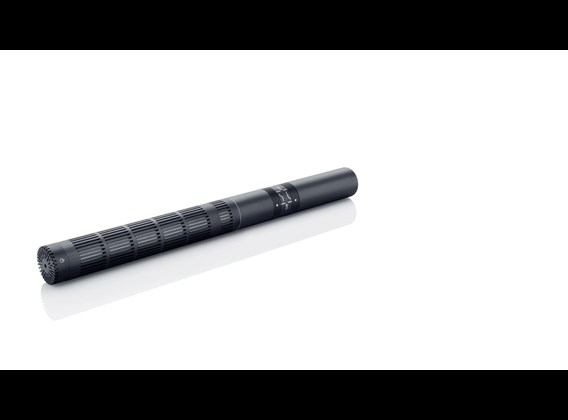
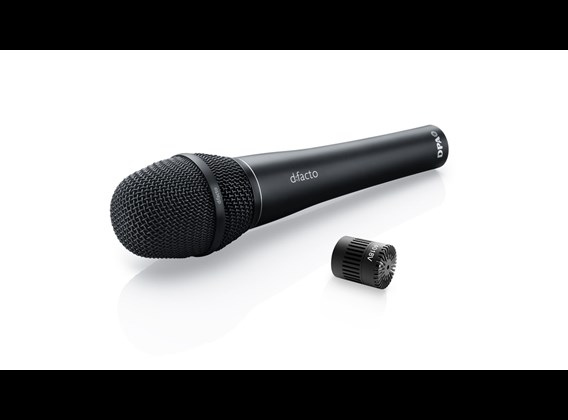
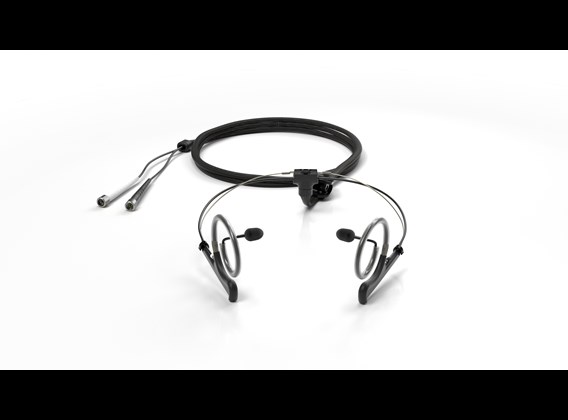
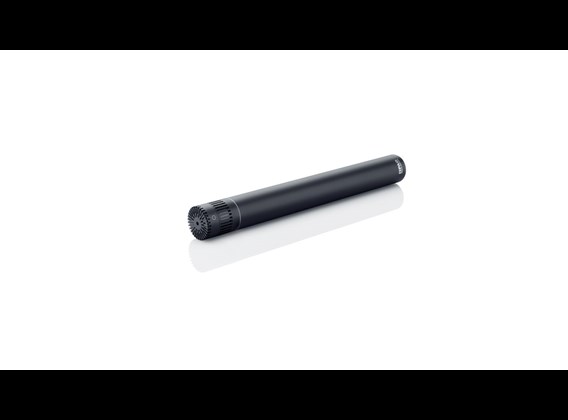
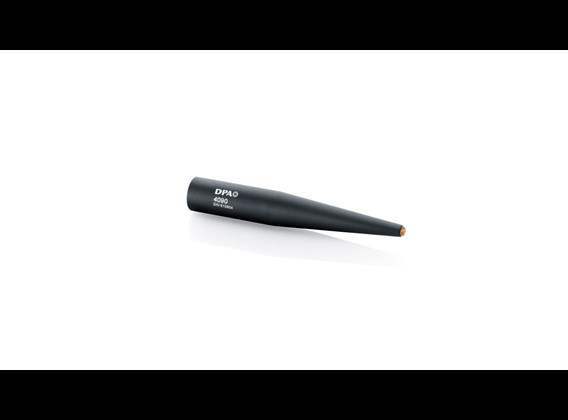
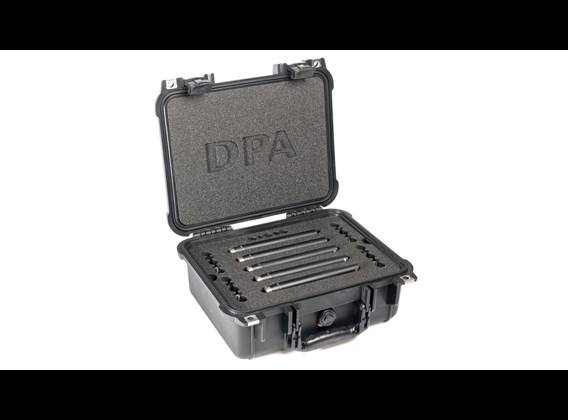
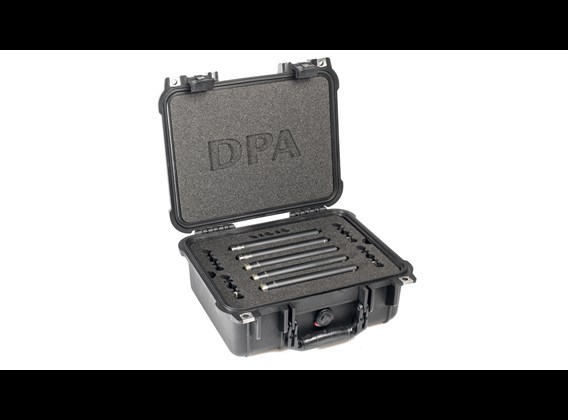
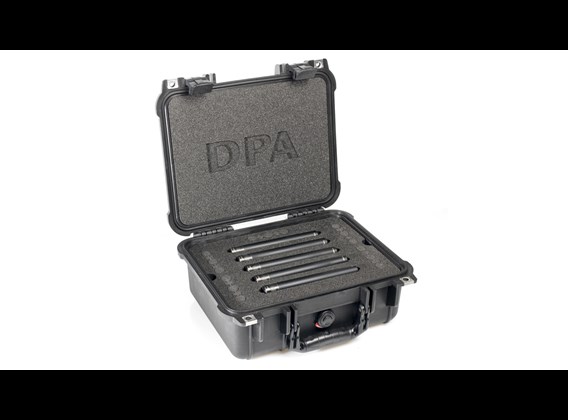
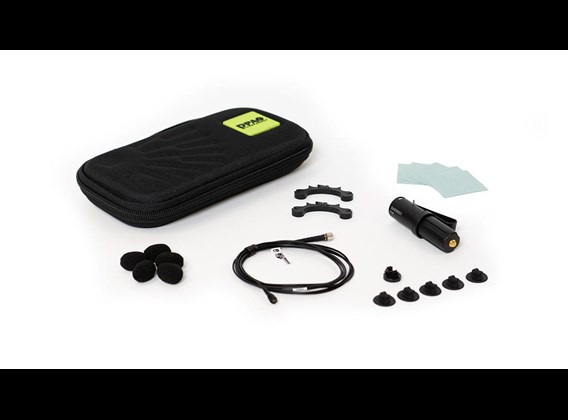
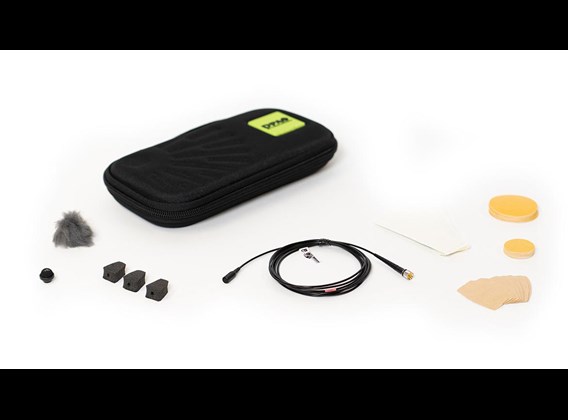
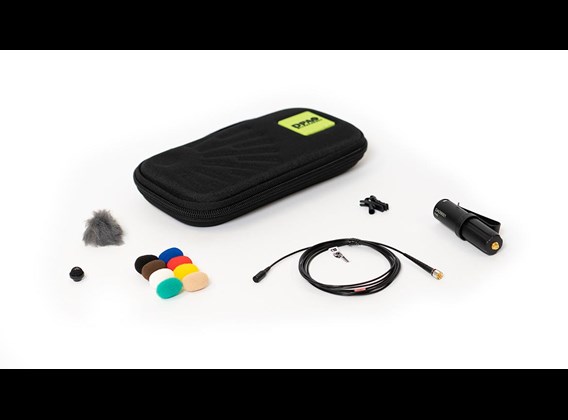
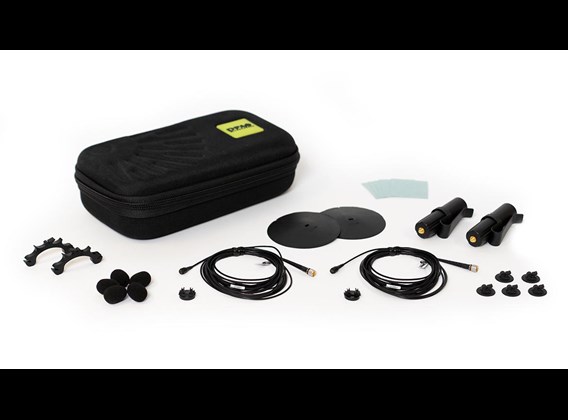
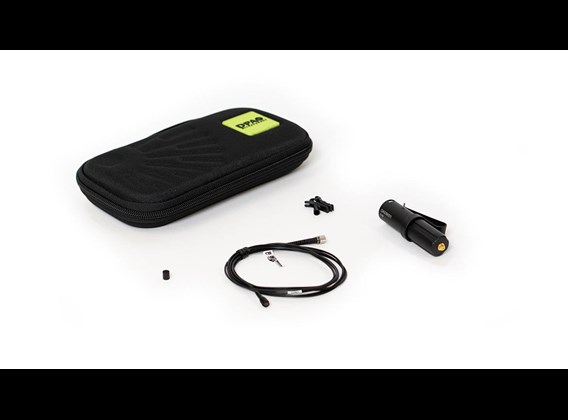
One of the vital components of Honywill’s success must surely be in the choice and application of the technology and equipment he employs. Key to this is his choice of microphone – Honywill uses DPA wherever possible. In fact RG Jones carries a considerable stock of DPA 4061 miniature omnis, because of his belief that this is the only way to steal a march on the competition. R G Jones’ excellent reputation in its treatment of classical music is also, in no small way, down to Honywill.
He describes how this came about: “I was thrown into situations where I had to get results for the people that mattered to me – the artists. I was introduced to DPA when working on a show called Songs and Visions at Wembley Stadium. It was a big budget production with a band of top-flight session musicians such as Nathan East and Vinnie Coliuta. Singers included Rod Stewart, Robert Palmer, Seal, Chaka Khan and k d lang. One of the reasons I got the job was because they were accompanied by an orchestra – by this time I was known for my classical work.”
Together with Greg Jackman (an engineer at Olympic Studios where the show was rehearsing), Honywill had to get enough gain from the orchestra for it to be heard properly above the bands.
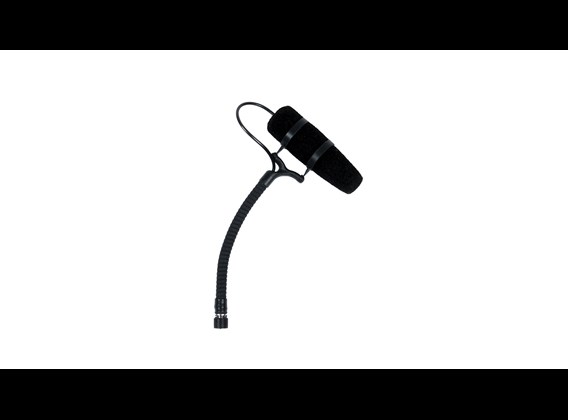
Jackman suggested they try DPA 4060 miniatures on some fixings he had built himself. Honywill then used them on Karl Jenkins’ Adiemus project and from there he started to use them on Raymond Gubbay’s Classical Spectacular.
He elaborates: “ As soon as Raymond Gubbay heard the amount of gain we could get from the strings whilst still keeping sonic integrity, there was no turning back!”
For Honywill, this has turned into a long, organic process to get a feel for how the different sections of an orchestra combine to create various colours and moods, how the composition works and how the individual instruments can be manipulated. However this has been essential to reach an understanding of how best to mic an orchestra for live sound reinforcement.
As far as classical music is concerned, Honywill closemics almost every instrument, placing great importance on positioning and separation, his philosophy being: “Why deny the audience any of the detail?” He always ensures that the same mics are used across orchestral sections, which helps enormously with gain structure plus capturing the ensemble as a whole.
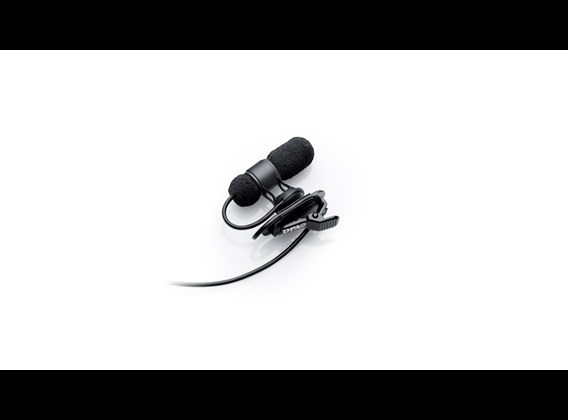
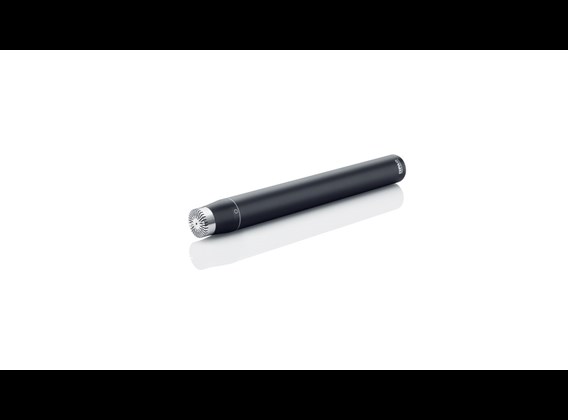
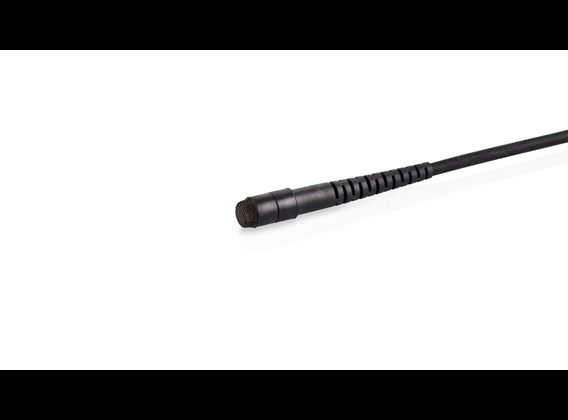
He elaborates: “I will only ever mic the strings with DPA 4061s. It’s a constant source of amazement to me that such a small capsule can work so well, in particular on the low strings, which are always the hardest to control and capture accurately, whilst maintaining gain before feedback.”
The DPA 4061 is the only small microphone that Honywill believes can be successfully attached to an instrument and guarantee that it maintains its true sound without affecting the way it reacts with the air.
Honywill expands: “If we accept the fact that it sounds great – it is DPA after all – another huge plus is that orchestral string players like the rubber mounting because it doesn’t physically touch the wood.”
The Royal Philharmonic orchestra is actually so well trained that they fix their own mics onto their instruments as soon as they arrive on stage!
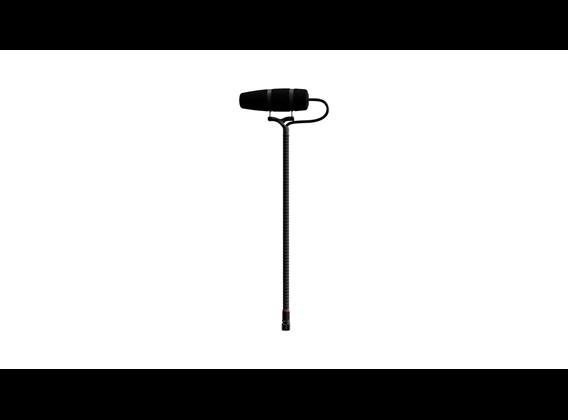
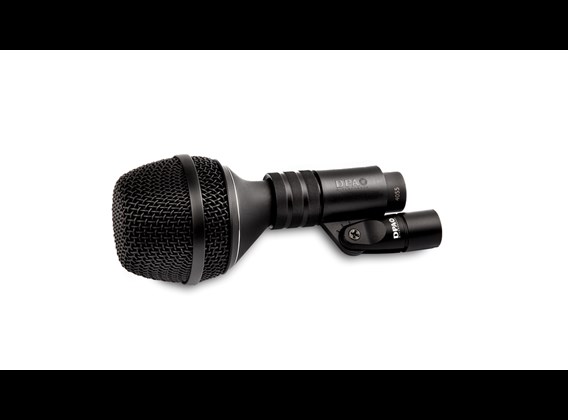
“My typical set up for an orchestra is DPA 4061s across the strings, matched with high quality large diaphragm condensers across the brass, and more cardioids for the percussion. If it were financially possible, I would mic everything I do with DPA mics because I want to use the best.”
Honywill has been FOH engineer on the annual Classical Spectacular series of concerts at the Royal Albert Hall for some 12 years now. “Classical Spectacular is all about being larger than life. The challenge for me has been to ensure the show sounds natural yet loud. If one can achieve that, the emotional effect the music has on the audience is accentuated.”
With a huge moving light rig providing a massive visual focus, the sound of the orchestra has to match. Prior to the advent of DPA 4061s Honywill used overheads on each desk of violins and violas, with individual hyper-cardioids on the low strings. This reportedly sounded fantastic but it was a challenge to keep feedback under control.
He explains: “This method required constant attention to large amounts of parametric EQs. It also means that the ambient noise was higher and gain before feedback a real battle. These days, combined with the Digidesign Venue console running 96 inputs, the 4061s enable me to concentrate on getting the best possible string sound – fundamental to any classical show.”
Challenging in another way was an open-air project with violinist Nigel Kennedy, accompanied by the Royal Philharmonic Orchestra. Kennedy enjoys playing amplified, but the integrity of his sound is paramount.
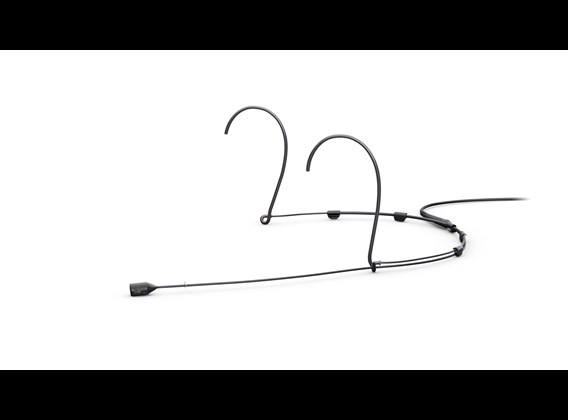
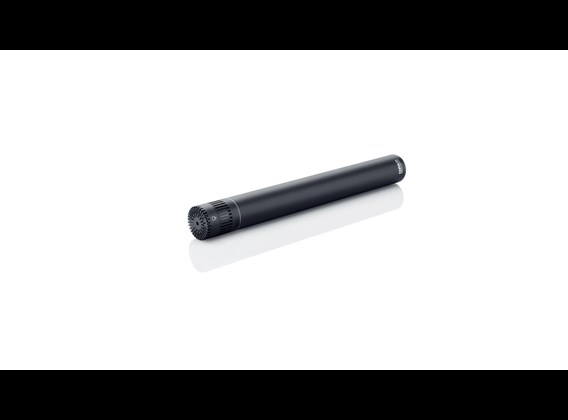
Kennedy’s regular engineer, Gary Falkenthal, recommended a set up that he often uses, four DPA 4011 cardioids around Kennedy himself - two flown and two on the floor behind – plus a 4061 on a radio pack clipped to his coat beneath the instrument. Honywill reports that it sounds stunning – “it was definitely the highlight of my summer.”
When it comes to amplifying musical instruments of any kind, whether rock ‘n’ roll or classical Honywill tries: “to ensure that the very essence of the instrument is captured whenever possible.”
Today the most important aspect of Honywill’s job is the promotion of quality, both in his live work and his teaching. He concludes: “At the top of this profession, quality is everything, and compromise means you’re not being true to yourself. DPA mics give me the opportunity to stand by this statement. I insist on them wherever I go in the world for a classical music show, and if they can’t be supplied, I take them with me.“
By Sarah Rushton-Read