Lavalier
 Headset & Earset
 Handheld
 Instrument
 Pencil
 Shotgun
 Gooseneck
 Immersive
 Kits
 Receiver
 Bodypack Transmitter
 Handheld Transmitter
 Antennas
 Antenna Distribution
 Charger & Batteries
 Wisycom
An island in rural Montana
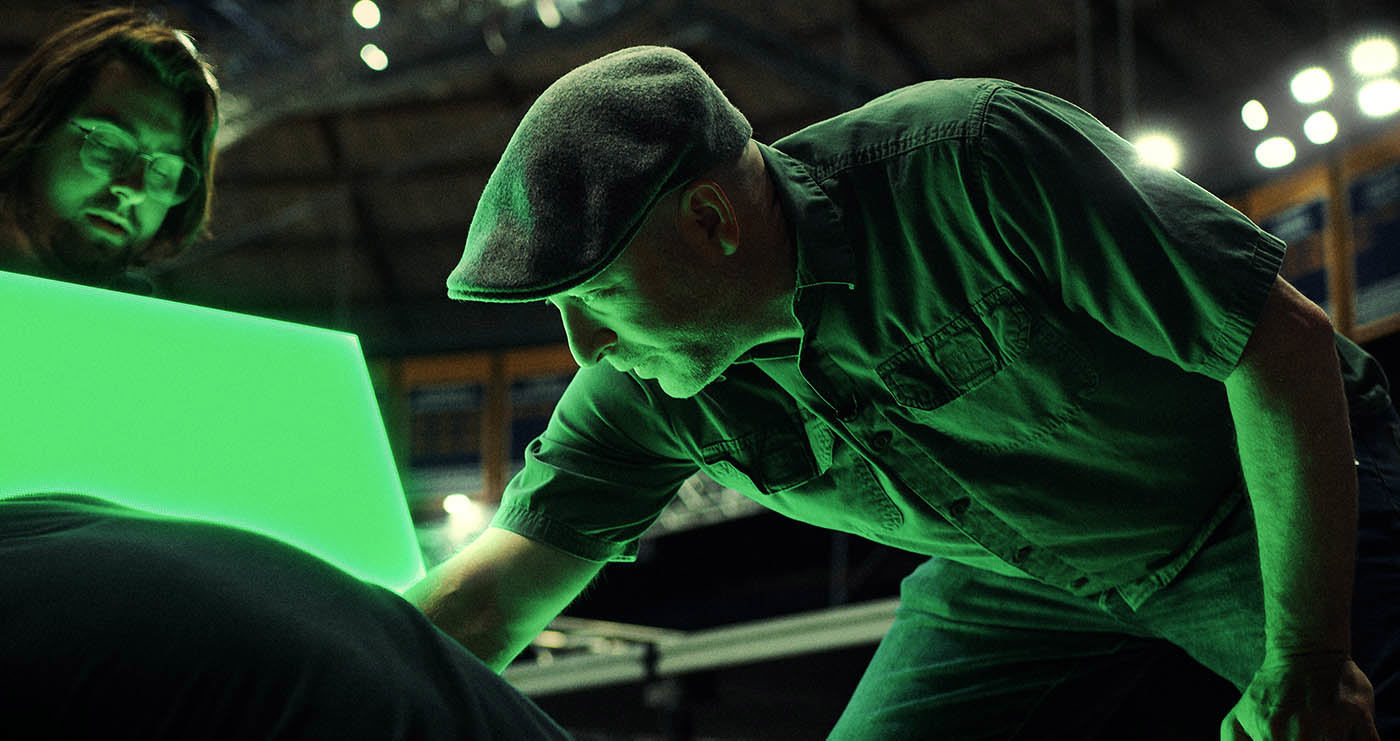
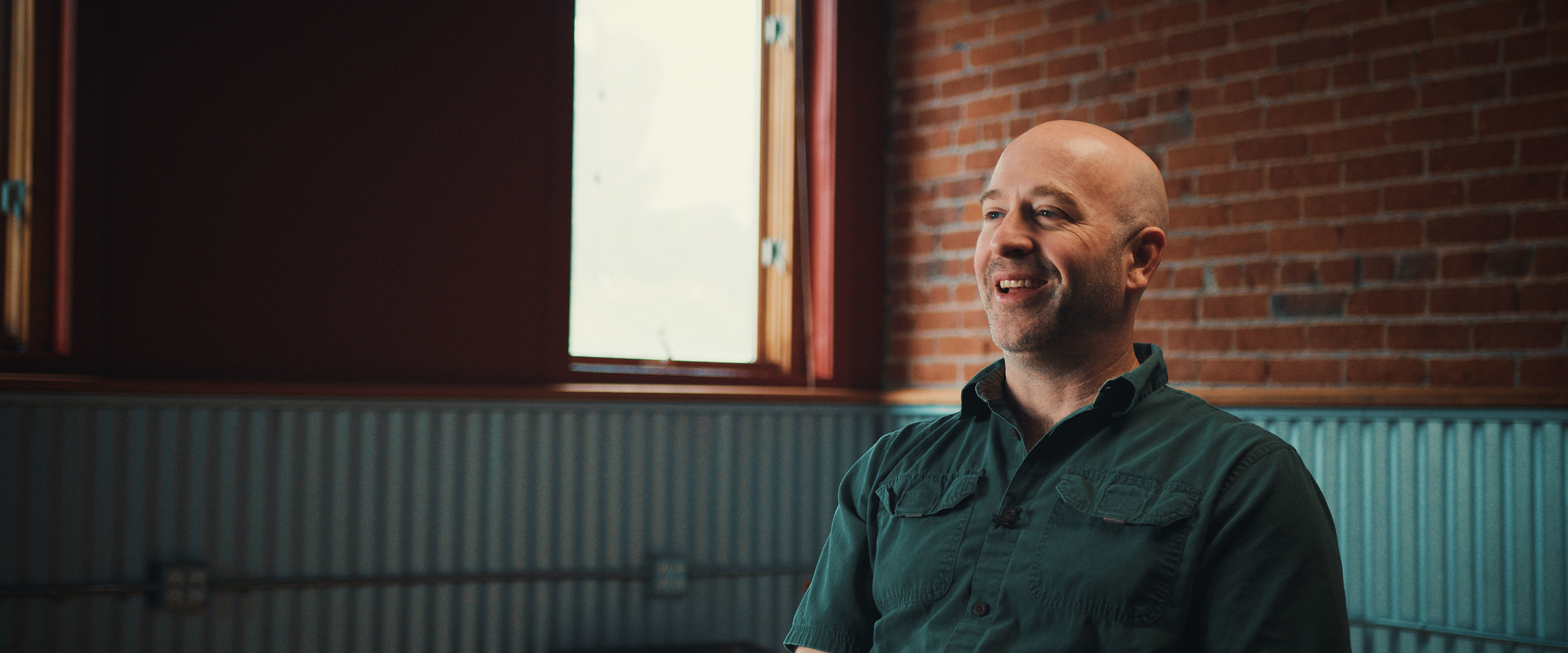
Jeremiah Slovarp owns Jereco in Bozeman, Montana, and teaches music technology and recording arts at Montana State University. He started the company in 2002 with a couple of business partners he had played in bands with. They had amassed a bunch of gear and had nowhere to put it.
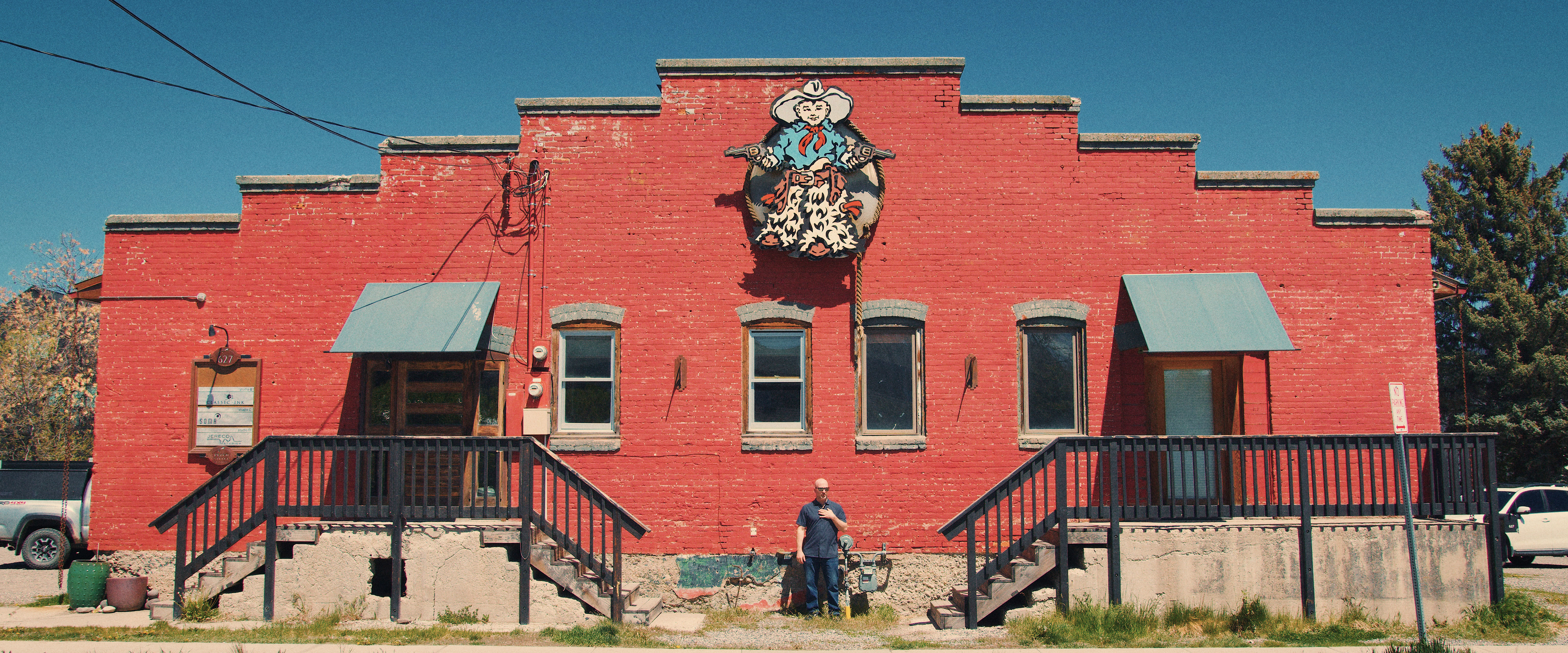
“We were out here in rural Montana, and it was really an island,” Jeremiah says. They wanted to have shows there without relying on large markets like Denver, Salt Lake and Nashville.
Today, Jereco does concerts, AV, corporate events and installations, and runs a recording studio in a cold storage building from the early 1900s in downtown Bozeman. The walls were insulated for cold storage, which made them naturally soundproof.
No second takes
One job Jeremiah really enjoyed was with Baroque Music Montana, which staged Handel’s Messiah as written, on period instruments, in a live performance televised for Montana PBS. “This was a great example of: there are no second takes,” he says.
He used DPA 4099s, 4011s and 2011s. A pedal organ sat next to the Baroque timpani, string bass and brass section, so he put a 4017 Shotgun Mic on it to keep out bleed. “I used the 4017 because it had excellent rejection,” he says.
Keep the fuzzy out of sight
Years ago, Jeremiah was hired to record mountain lions for the film On the Mountain. As he put his 4017 Shotgun Mic in its blimp on the boom pole, the animal handler stepped in. “You need to put that thing away right now,” the handler told him. These mountain lions “can just flat jump like 10, 14 feet without a running start,” and the mic would become a chew toy.
So Jeremiah held the blimp like a football and stood sideways, pointing the mic at the cat while it ate.
Start small, and buy gear that lasts
Jeremiah’s advice for anyone starting out is to start small, with a small room and a manageable amount of reliable equipment. “Buying cheap equipment means it’s going to break or it’s going to have to be replaced really, really quickly,” he says. Putting the funding you do have into high-quality gear that will last is, in his words, “a really good investment.”
About halfway through his career, he started hiring, and he gave a lot of the really cool jobs away to people who really wanted them. At the studio, recording engineer Luke Scheeler has picked up the people skills: learning how to work with artists and helping them uncover what their intent is.
Watch the full DPA Journeys video.