Lavalier
 Headset & Earset
 Handheld
 Instrument
 Pencil
 Shotgun
 Gooseneck
 Immersive
 Kits
Kits
 Receiver
 Bodypack Transmitter
 Handheld Transmitter
 Antennas
 Antenna Distribution
 Wisycom
The placement problem
One of the persistent challenges with directional headset microphones is sensitivity to placement. Move the capsule even slightly during a performance and the sound changes. For sound engineers working with performers who adjust their headset mid-show — or with volunteer users who may not position it precisely to begin with — that variability is a constant source of inconsistency.
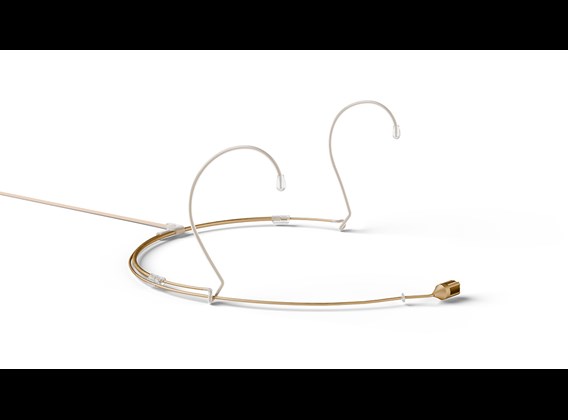
The 6388 CORE+ addresses this with a physically asymmetrical design and a shifted acoustical axis, combined with a tightly controlled proximity effect. Together, these make the microphone significantly less sensitive to exact placement. If the headset shifts during a performance, the sound holds.
"Directional headset microphones are used in the most demanding environments — where high ambient sound pressure, stage noise and the need for high gain-before-feedback put extreme pressure on performance, while expectations for natural sound, intelligibility, comfort and ease of use remain unchanged," says Helga Somava, Director of Product Management, DPA Microphones. "The 6388 CORE+ moves beyond these compromises to deliver exceptional performance across sound engineers' needs."
Positioning without compromise
Unlike traditional directional headset microphones, the 6388 CORE+ features switchable boom placement — left or right — and can be positioned discreetly beside or slightly behind the performer's mouth. That positioning reduces plosives and noise without affecting tonal accuracy, which is a meaningful advantage in complex acoustic environments where speech intelligibility is critical.
The asymmetrical capsule design and shifted acoustical axis are central to this. Rather than requiring the capsule to sit directly in front of the mouth — the conventional position that maximizes pickup but also maximizes plosives and visual presence — the 6388 CORE+ is engineered to deliver consistent results from a more discreet placement.

Consistent directionality across frequencies
One of the technical challenges with directional microphones is maintaining consistent behavior across the frequency range. Off-axis rejection that varies with frequency creates an unpredictable tonal balance and makes it harder to control bleed from stage sources.
The 6388 CORE+ maintains consistent directionality across frequencies, which results in predictable linear off-axis rejection and a stable tonal balance. For engineers managing loud stages, that consistency translates directly to improved gain-before-feedback performance and reduced stage bleed.
Built on CORE+ technology
The 6388 CORE+ builds on the legacy of DPA's 4088 Directional Capsule and incorporates DPA's patent-pending CORE+ technology, which is also found in other microphones in the DPA range. The result is enhanced feedback rejection and greater clarity compared to its predecessor, with a wide dynamic range suited to both soft and powerful vocal delivery.
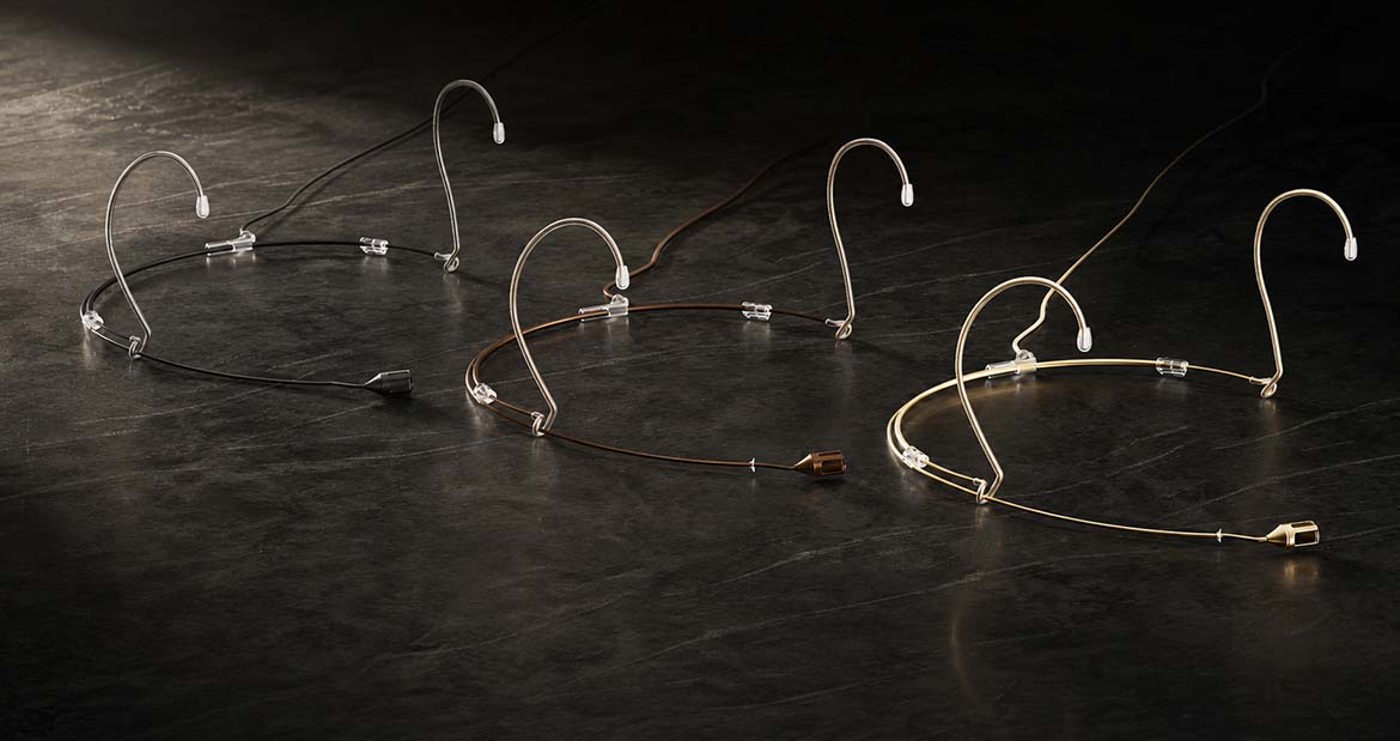
Its IP58 certification resists dust and humidity, and modular connection options make it compatible with major wireless systems. The headset is available in multiple colors, sizes and termination options.
Fine-tuned, secure headset frame
The frame is a refined version of DPA's Act Headset Frame, designed for a secure fit and all-day comfort.
The Act Headset Frame reimagines the traditional headset mic through comfort, reliability, durability and aesthetics. Soft-rounded earhook tips reduce pressure points for all-day wear, while increased clip-to-frame friction keeps the fit locked in through demanding performances. Downwards cable routing at the boom-to-cable transition adds durability at a key stress point. A PVD-treated boom, color-matched frame finish and low-visibility transparent clips complete a headset that disappears on camera.