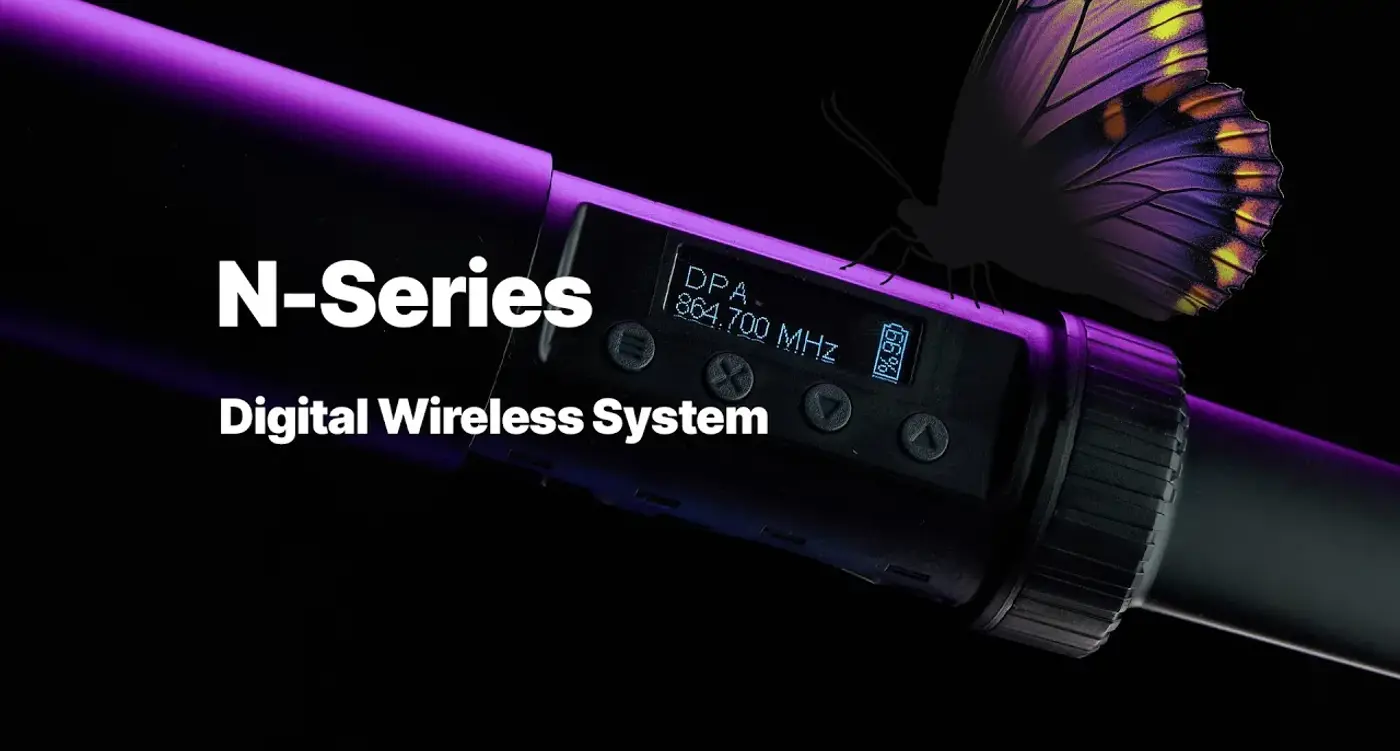
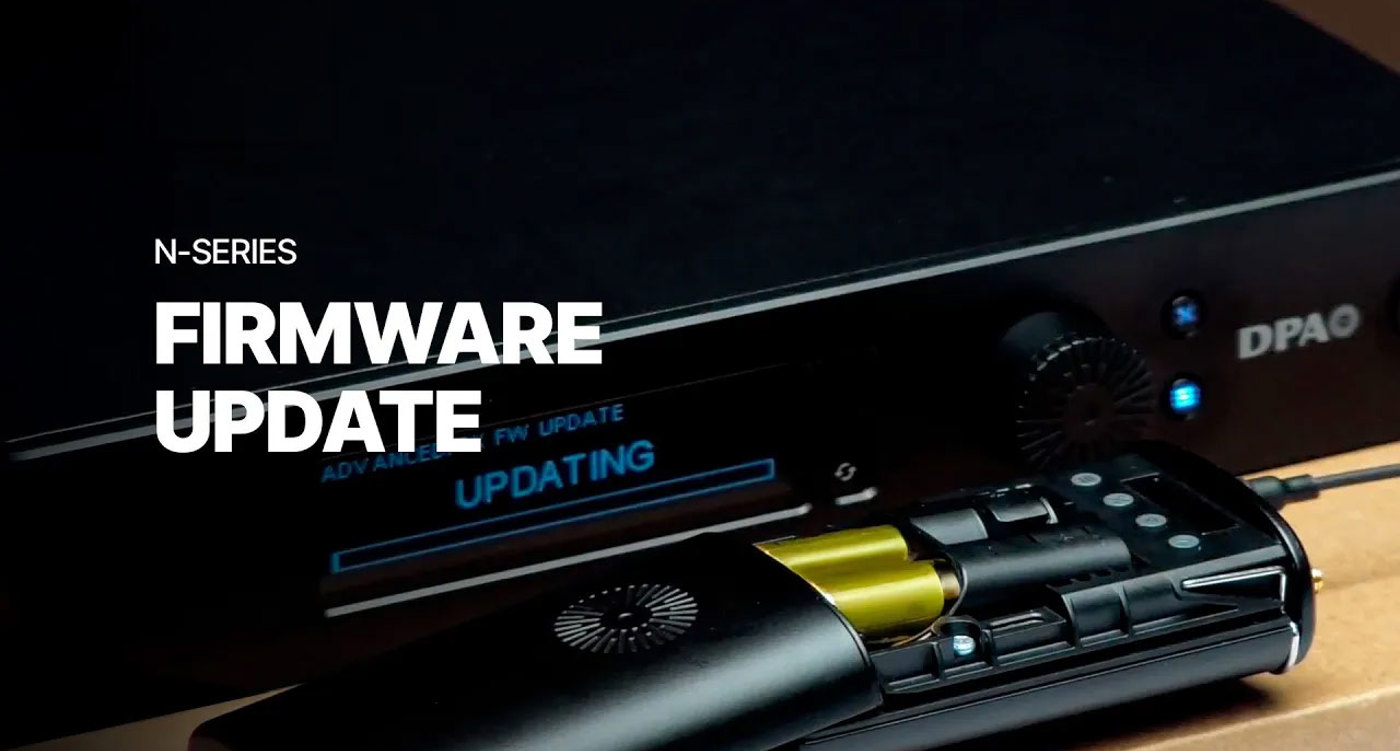
True Radio Diversity
The N-DR1 Digital Dual Channel Receiver is based on a true diversity set-up, also known as radio diversity, where the two antennas are internally hooked up to two radio circuitries. Each antenna input has its own radio. This differs from systems that offer antenna-diversity where there is only one built-in radio which must shift between the two antennas.
Dante Digital standard
The N-DR1 Digital Dual Channel Receiver is equipped as standard with a Dante output. This output features the ability to run both a single connection and in true redundancy, i.e. Primary/Secondary set-ups for highest security.
We encourage users of the system to stay in the digital domain, using the Dante output, to avoid signal degradation. Every time the signal is converted from digital to analog and back again, there is signal loss as well as added latency.
Protection and privacy
The N-Series takes security of data seriously, offering AES256 encryption for privacy, which is paramount when using a wireless system in a corporate or governmental environment.
Amazing channel packing
The number of channels that any system can pack depends on the availability of availability of spectrum, but in an ideal world with no governmental restrictions and disturbing TV channels or radio frequency transmitting systems, the DPA wireless system can reach a stunning 800 possible channels.
In practical terms a user is limited to the allowed slots given in the specific area where the equipment is being used. Due to this you can rest assured that you can always find a free spot for your DPA wireless mics to operate in.
The system has an equal distance ability meaning that each channel needs 500 kHz spacing to the next channel. This is without Inter Modulation Distortion (IMD) components between the transmitters.
Minimal latency
The small delay that is always present with digital wireless systems is just below 3 milliseconds (2.9 ms) for the N-Series.
 领夹式话筒
 头戴和耳挂话筒
 手持话筒
 乐器话筒
 铅笔话筒
 枪形麦克风
 鹅颈式话筒
 沉浸式录音方案
 麦克风套件