Lavalier
 Headset & Earset
 Handheld
 Instrument
 Pencil
 Shotgun
 Gooseneck
 Immersive
 Kits
Kits
No amps, no safety net
The biggest challenge was the music itself. Everything in the film is acoustic and unamplified. "The theme itself is kind of hard to explain," Welcker says. "It's a multi-genre horror film and period drama that's very heavy on the music. Because of the period nature of it, everything is unamplified: acoustic guitars with resonators, harmonicas and live vocals."
Wide lenses, tight spaces
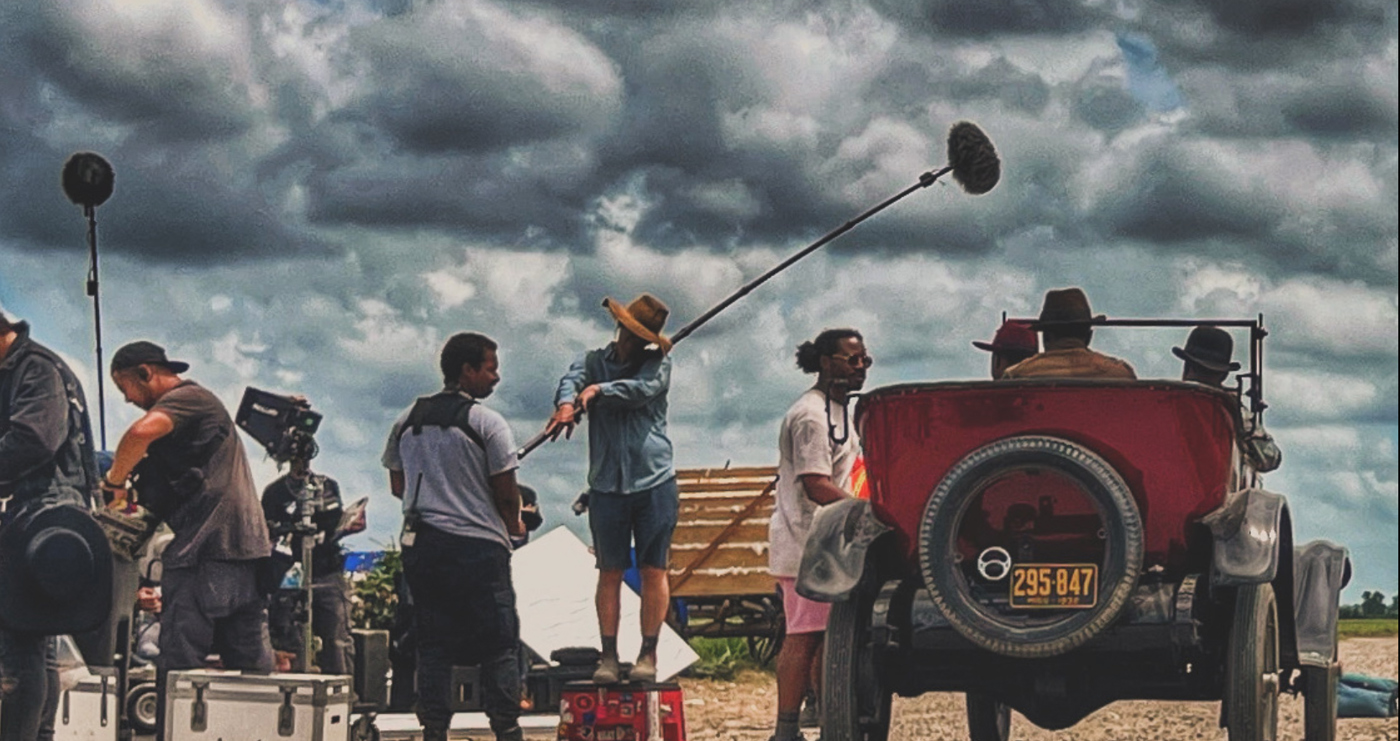
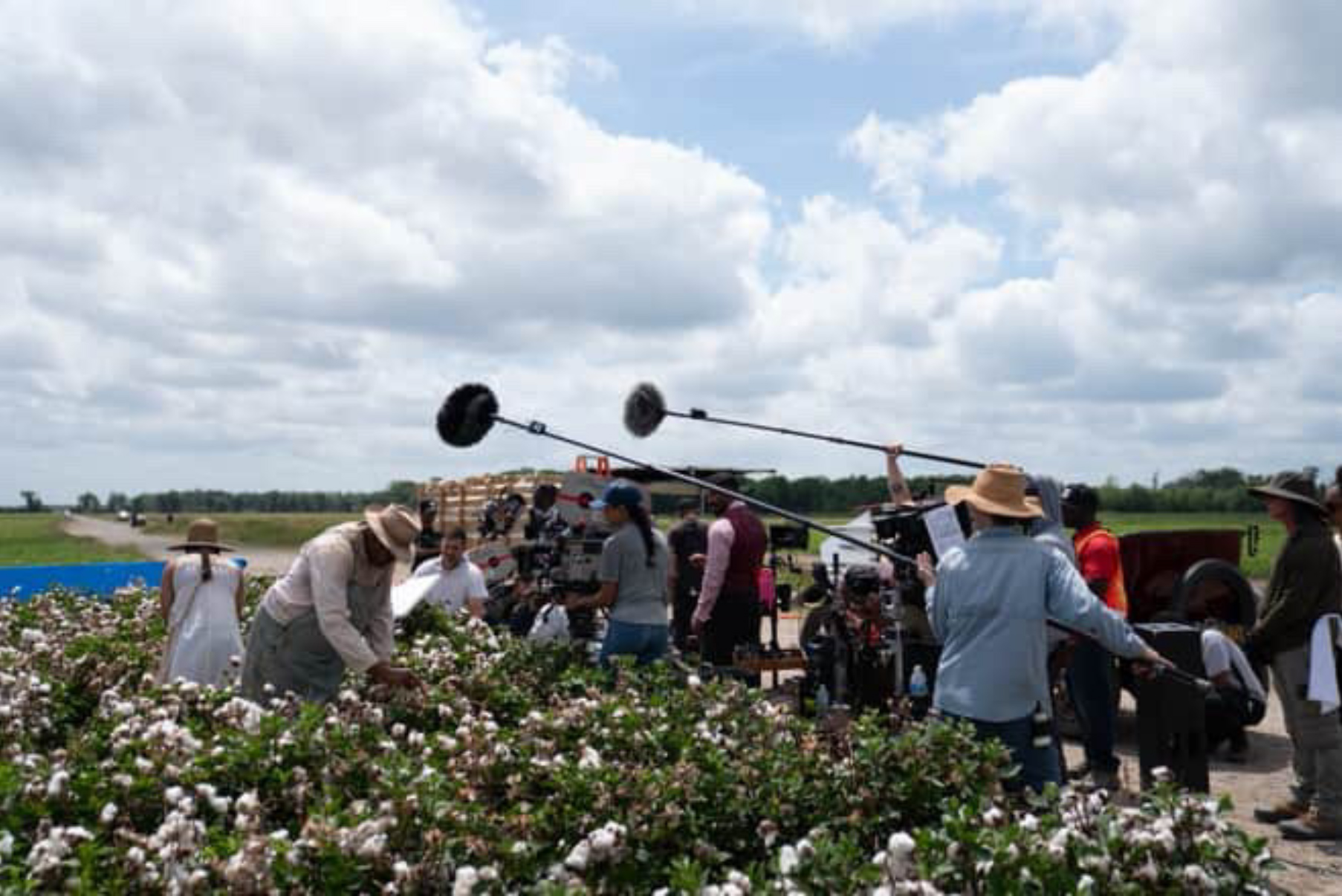
On top of the acoustic challenge, Welcker's team was regularly fighting the camera. Wide lenses — the kind that capture sweeping, cinematic images — also capture everything in the frame. That means a boom microphone can't get anywhere near the action without showing up on screen. At the same time, IMAX cameras generate significant mechanical noise during recording, which can bleed into dialogue and musical performances. "Actors repeated their lines and performances without the camera running, which enabled us to capture the sound free from IMAX camera noise," Welcker explains.
His team had to rethink their workflow entirely. They recorded extensive on-set "wild takes" — sound-only recordings captured after filming a scene. Both boom operators held microphones at different distances: one tight for detail, one farther back to preserve the feel of the room. Lavalier microphones on the actors added another layer of coverage. "The distant mic captured more of the space, which was important for preserving the truth of the environment," Welcker says. "This approach gave post-production significantly more flexibility to patch together dialogue and musical moments that might have been compromised by camera noise."
The elements fight back
Southern Louisiana also threw its own problems at the crew. Humidity, radio frequency interference and unpredictable outdoor environments kept the team on their toes from day one. One of the most demanding scenes involved a live guitar-and-vocal performance inside a moving vintage convertible on a gravel road. Wind, engine noise and constantly shifting acoustics made it nearly impossible to get a clean take.
One mic ecosystem for everything
To hold all these challenges together, Welcker built his kit around DPA Microphones. The decision was deliberate. "DPA was a perfect choice for us because the sonic profile of those microphones is very consistent," he explains. "When you cut together a lavalier and a boom, it's very easy for the editors to make those sound cohesive. That consistency was huge for us."
Welcker also coordinated with the film's composer to use the same DPA microphones during studio pre-recording sessions. That way, if the director chose to use a pre-recorded track instead of a live take, the sonic character would match seamlessly. "That gave us consistency if they decided to use any prerecorded tracks," he says. "It all blended naturally and gave us the presence of the voice and a perspective that matches what you see visually."
Shotgun mics: the workhorse on set
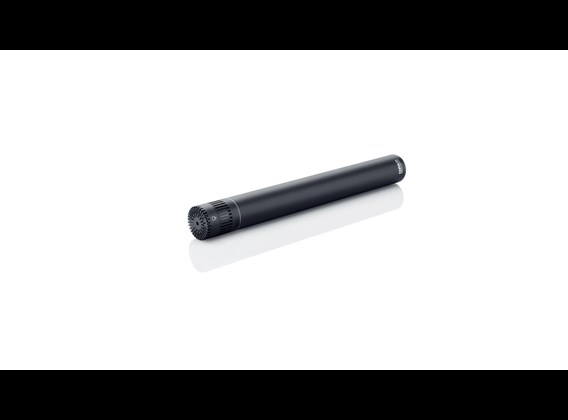
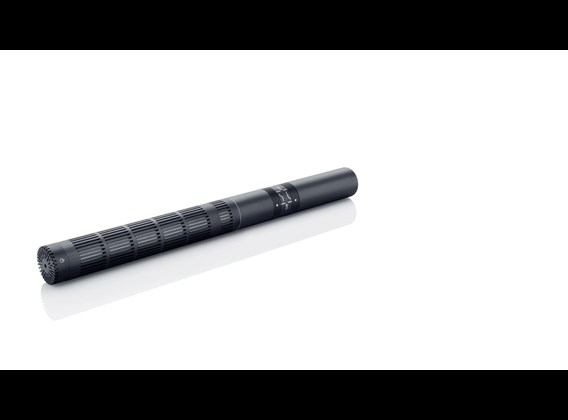
For boom work and plant placement, Welcker deployed DPA 4018 Supercardioid and 4017 Shotgun capsules across a rotation of A, B and C preamp bodies, along with 4097 Micro Shotguns for hiding microphones around the set. In the demanding convertible scene, he positioned a 4017 on an overhead mount with a large windscreen to catch the vocals, while a 4018 with a C preamp was hidden near the gear shift to isolate the guitar. "We make decisions on set like, 'Maybe we should switch to the 4018 because it's more forgiving of reflections and phasing issues,'" he recalls. "We threw pretty much every microphone we could at that scene. It gave post-production the options they needed to piece it all together."
Instrument mics: solving the frame problem
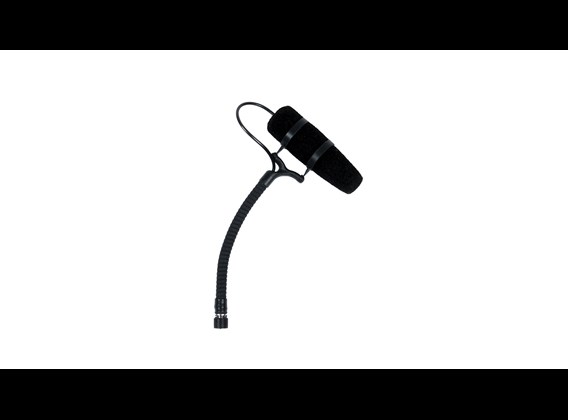
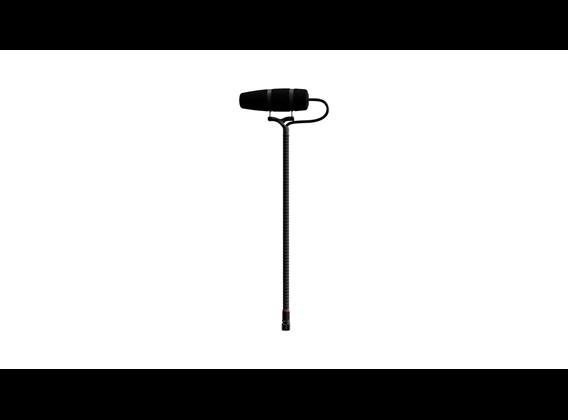
When instruments dropped below camera frame — a frequent reality in cinematic shooting — Welcker turned to DPA 4099 Instrument Microphones. 4099 comes with dedicated mounting hardware designed for acoustic instruments, which allowed the crew to clip and position microphones quickly without disrupting the performance. "The mounting solutions made it really easy for us to jump in and place things quickly," he notes. "We didn't always have a ton of time to make those decisions."
Lavaliers: hidden but heard
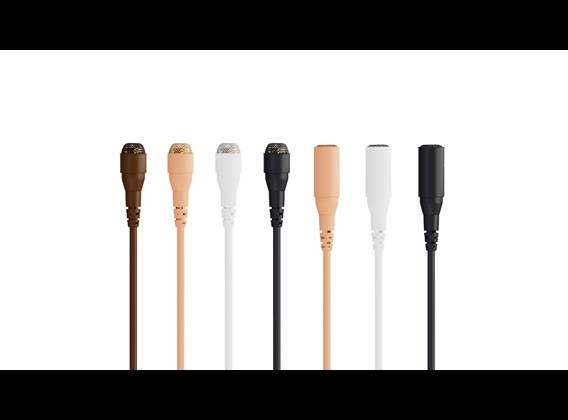
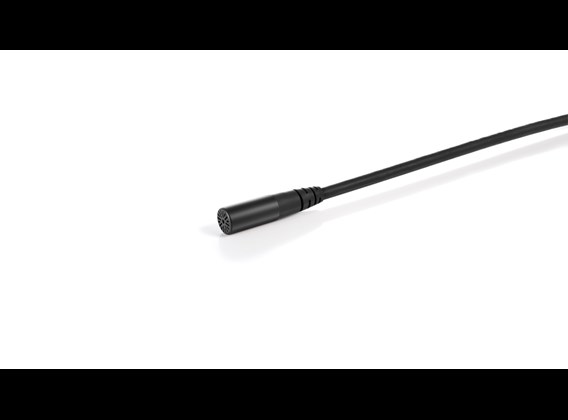
Creative lavalier placement gave Welcker extra options when conventional mic positions weren't available. His package included DPA 4060, 4061, 6060 and 6061 Omnidirectional models. In one memorable scene, he worked with the costume department to sew a 4060 directly into an actor's shirt cuff — close enough to capture the fine detail of fingerpicking on a guitar, invisible to the camera. "It gives us options to place microphones in creative ways and still have that sound be both consistent and sound great on camera," he says.
Locking in the room's sound for post
One detail that paid off far beyond the set: Welcker and the music editor used a DPA 4018 to record impulse responses of the juke joint location, placing the microphone at multiple positions around the room. Impulse responses are recordings that capture how a physical space reflects sound — they're used in post-production to apply realistic reverb that matches a real environment. "That way, even the reverb used in post was captured through the same DPA microphones we used on set," Welcker explains.
What this shoot taught about reliability
For Welcker, the "Sinners" production reinforced something he already believed: in the field, gear has to work every time. "In production sound, equipment failure isn't just inconvenient, it can cause serious filming delays," he explains. "One of the most important things about the DPA mics is that they actually work when you need them to work."
The humid Louisiana environment and RF interference were constant concerns. "They also seem to be very resistant to RF induction, which ensures reduced interference, cleaner signal integrity and fewer technical interruptions on set," Welcker says.