 Lavalier
 Headset & Earset
 Handheld
 Instrument
 Pencil
 Shotgun
 Gooseneck
 Immersive
 Kits
Kits
 Receiver
 Bodypack Transmitter
 Handheld Transmitter
 Antennas
 Antenna Distribution
 Charger & Batteries
 Wisycom
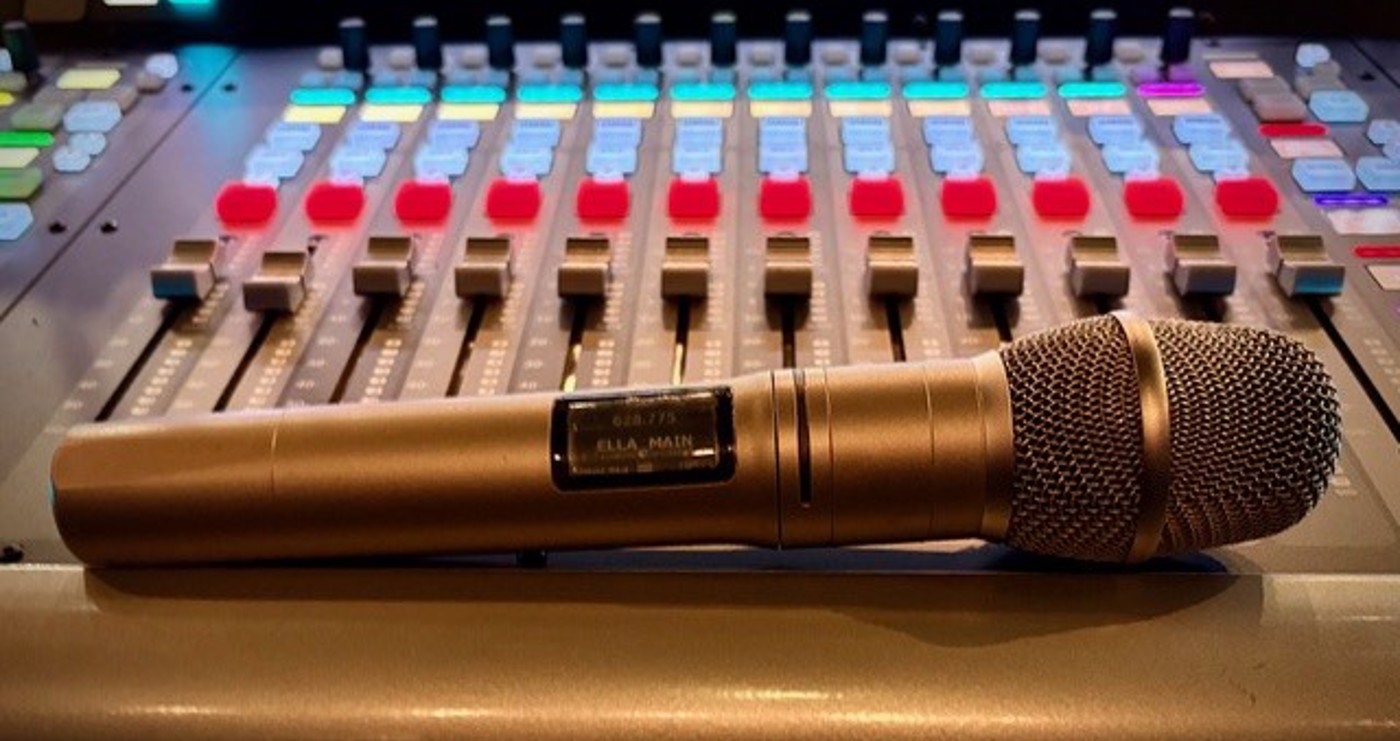
When your entire live show runs on four microphones, every single one has to be right. That's the reality for the production team behind Lorde's "Ultrasound World Tour" — a global run spanning arenas, amphitheaters and intimate venues across multiple continents, concluding October 10, 2026, at the Austin City Limits Music Festival.
Four mics. No margin for error.
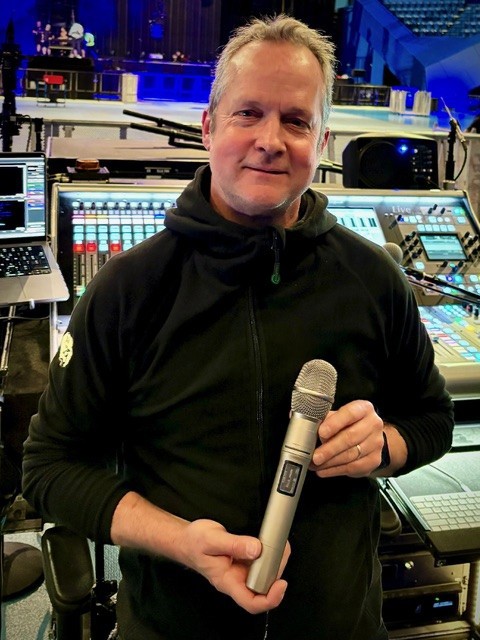
The tour takes a deliberately minimal approach to live instrumentation. Synths and direct inputs carry most of the show, with traditional backline largely absent. That leaves the microphone count intentionally sparse. "We're essentially working with just four microphones on stage — Ella's main vocal and three backing vocal mics," says Philip J. Harvey, Front of House Mix Engineer. "Everything else is direct. That makes the quality of those microphones even more important."
Harvey has worked with Lorde for over a decade, and the vocal chain has been built around the DPA d:facto 4018VL capsule since the "Melodrama" tour. "To me, it's the most natural-sounding microphone out there," he says. "Whether it's a whisper or a full-on scream, the d:facto captures everything with incredible detail and consistency."
Off-axis response as a mixing tool
With so few microphones on stage, bleed is an unavoidable reality. How a microphone handles off-axis sound — the signals arriving from outside its primary pickup direction — has a direct impact on the mix. For Harvey, this is one of the defining characteristics of the d:facto 4018VL capsule.
"Even when there's bleed from other elements, it still sounds natural," he notes. "That's a huge advantage compared to other mics where off-axis coloration can become a problem. What you hear is what you get, and that makes mixing so much easier."
Keeping the show moving across continents
While Harvey manages the front of house mix, Monitor Engineer Kevin Glendinning ensures the artist and crew receive equally reliable sound through their in-ear monitoring systems. The tour moves between vastly different venue types and geographic regions, which means the RF system has to perform consistently across international markets.
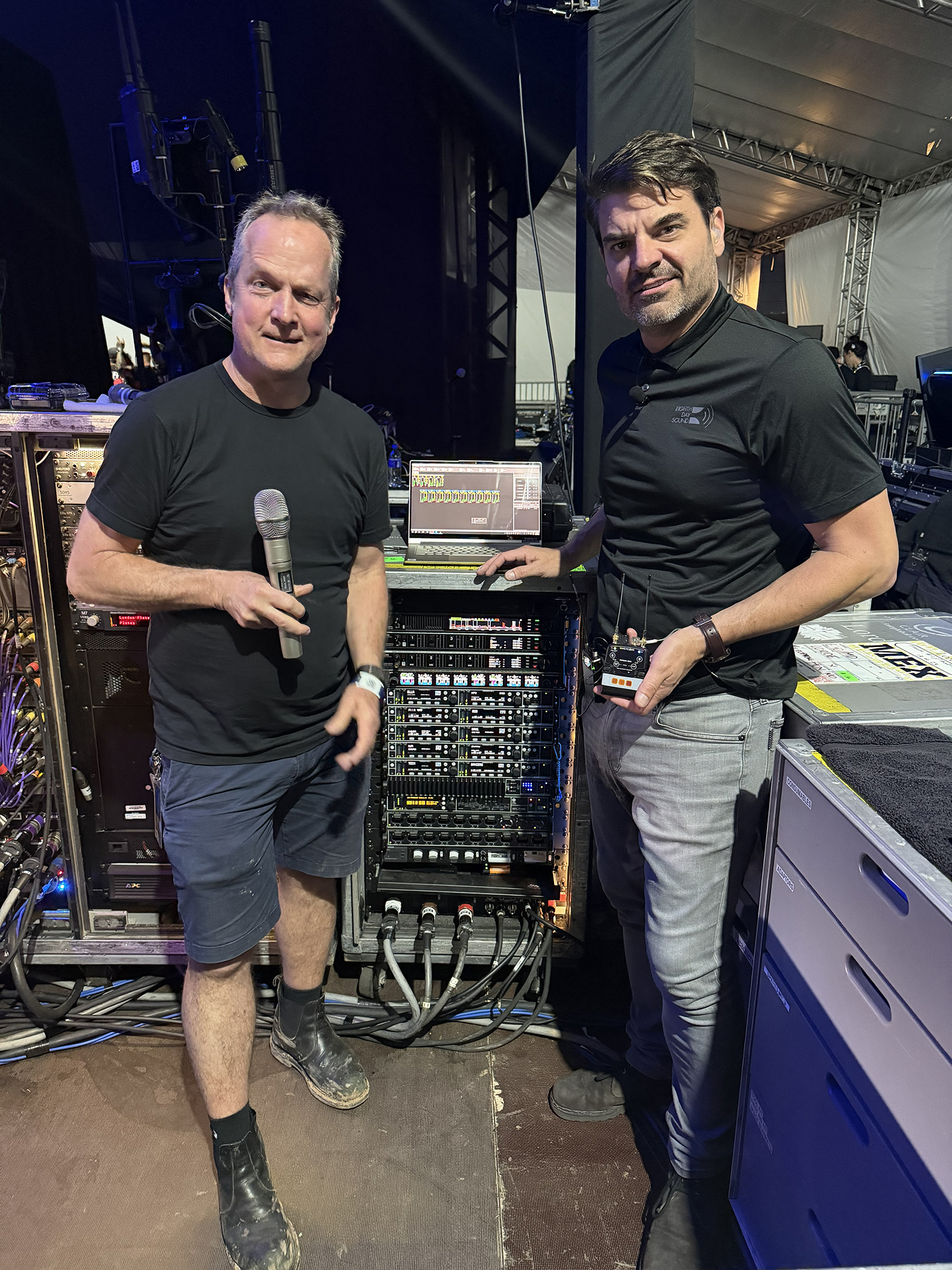
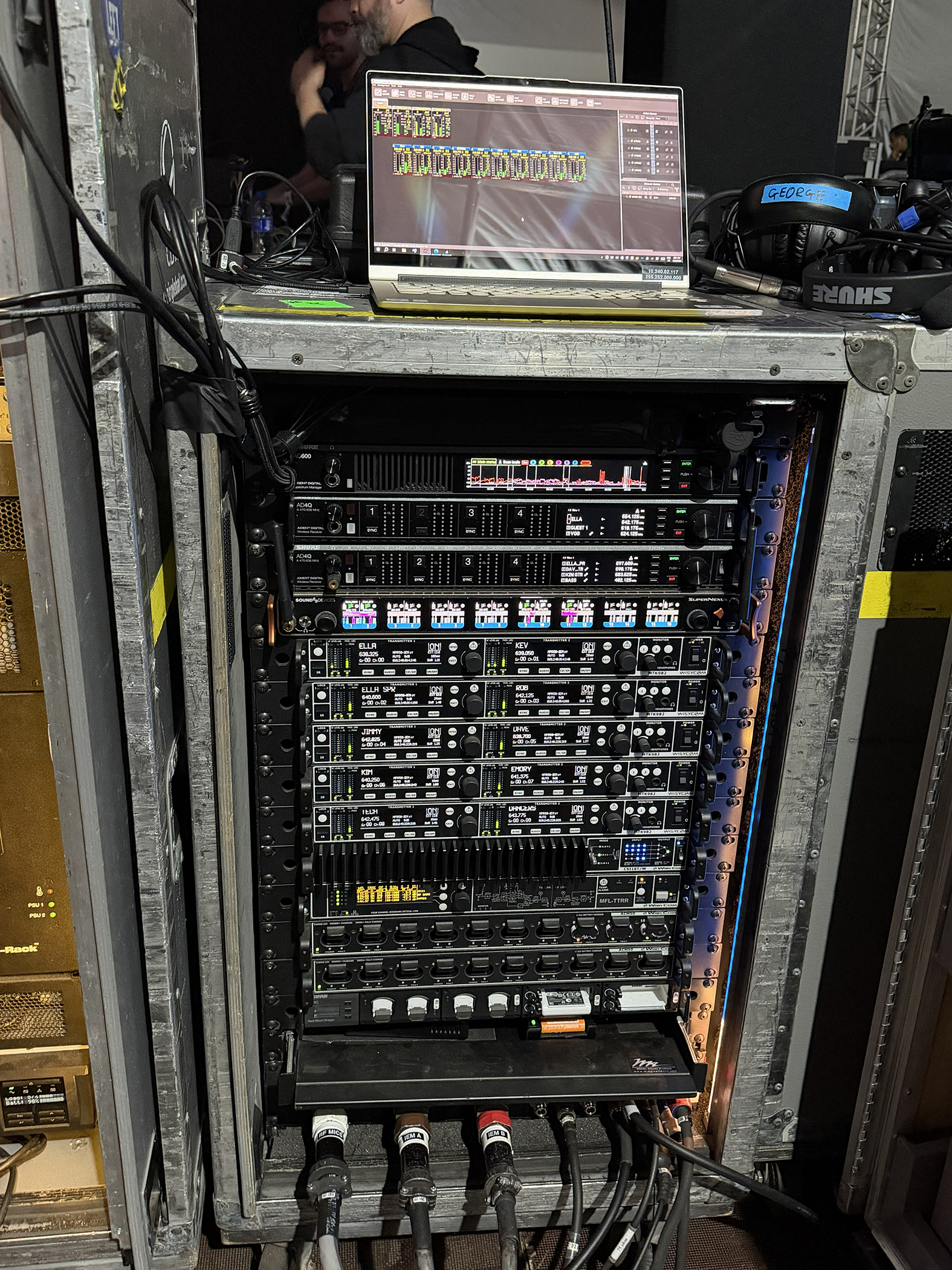
Glendinning has deployed a fully integrated Wisycom RF setup across the entire production, running in-ear monitoring through Wisycom MPR50 belt-packs, MTK transmitters, MFL optical link and a CSI16T combiner. "We've outfitted everyone, from the band to crew members, with the same system," he explains. "Consistency is key."
Wisycom's wideband capabilities simplify frequency coordination across regions. "We don't have to swap out gear for different regions," Glendinning says. "We just adjust frequencies and keep moving. That's a huge advantage when you're traveling globally."
Covering the room — all of it
One particularly complex element of the show involves Lorde performing from the front of house position — deep in the audience area, far from the stage. To maintain RF coverage throughout the venue, the team implemented a fiber-linked RF distribution system. "We run a Wisycom MFL RF over Fiber to extend coverage out into the audience area," Glendinning says. "It was all part of the system design, and it's been flawless."
RF specialist Stacey Handley designed the system architecture, with Glendinning crediting that collaboration as central to the setup's success.
What a minimal rig teaches you about microphone quality
For Harvey, starting with a microphone that captures the voice accurately changes everything downstream. "When you start with a microphone that sounds this good, everything else falls into place," he says. "It gives you confidence, and that translates directly to the audience experience."
Glendinning frames it from the monitoring side. "At the end of the day, everything I do is shaped by what comes through that belt-pack. If the transmission isn't right, none of the upstream work matters."
On a tour where four microphones carry the entire live sound, the quality of each one isn't just important — it's the show.